

Getting laid off is a gut punch. One day you’re part of a corporate machine, and the next, you’re staring at a severance package and a LinkedIn feed full of uncertainty.
But here’s the truth most people miss: A layoff is often the greatest professional gift you’ll ever receive.
It’s the forced “reset” button that pushes you out of a comfortable cubicle and toward something you actually own. If you’ve spent years building someone else’s dream, being unemployed is your chance to finally build your own.
Transitioning from corporate life to franchise ownership isn’t just about replacing a paycheck; it’s about securing real freedom.
Here is the 5-step guide to turning your layoff into the ultimate career transition.
Step 1: Shift Your Mindset (From Victim to Visionary)
The initial shock of being laid off often leads to a frantic search for the next “job.” You update your resume, hit the job boards, and prepare to compete with thousands of others for another role that could vanish in the next round of budget cuts.
Stop.
Take a breath. Instead of asking, “Who will hire me?” start asking, “What kind of life do I want to build?“
Franchising offers a middle ground between the high risk of a “from-scratch” startup and the low security of a corporate job. You get a proven system, a recognized brand, and a roadmap to success.
Why now is the best time:
- Capital: Your severance or 401(k) can often be leveraged to fund your new venture.
- Time: You finally have the hours in the day to do the deep-dive research required for a smart investment.
- Motivation: The corporate “safety net” is gone, giving you the focus needed to succeed.
Step 2: Take Inventory of Your Assets
You didn’t just lose a job; you kept every skill you learned there. Corporate professionals often make the best franchisees because they understand systems, management, and professional communication.
Before looking at brands, list your “transferable assets”:
- Operations: Are you good at following a playbook?
- Sales/Marketing: Can you grow a customer base?
- Leadership: Have you managed teams before?
- Budgeting: Do you understand P&L statements?
At Franchise Maven, we help you identify which of these skills will translate best into different industries. Whether it’s home services, senior care, or education, your background determines your “fit.”
You can learn more about finding your ideal match in our guide on how to know if you’re the right fit for franchise ownership.
Step 3: Partner with a Specialist (Gregory Mohr)
Navigating the franchise world alone is overwhelming. There are thousands of options, and they all sound great on paper. This is where you need an expert who has seen it all.
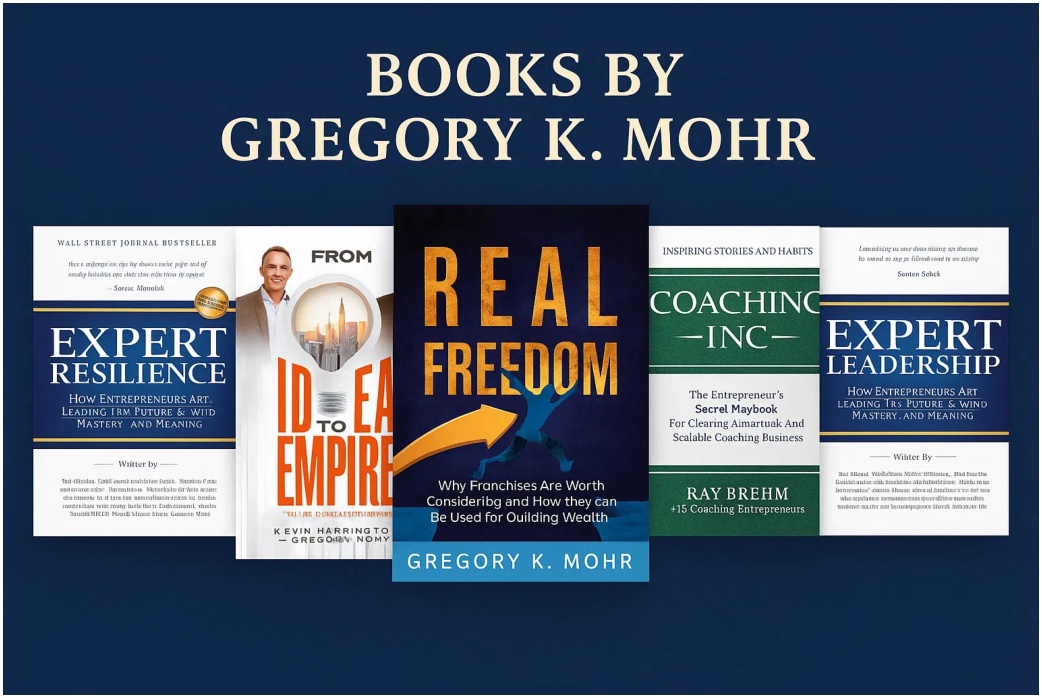
Gregory Mohr is a Wall Street Journal bestselling author of “Real Freedom” and a multi-year winner of the Franchise Consultant of the Year award. With over 15 years of experience in restaurants and franchising, Greg doesn’t just give advice: he provides a filtered, streamlined path to ownership.

The Best Part: It’s Completely Free for You
Many people assume that hiring a consultant of this caliber is expensive. It’s actually the opposite. Greg’s consulting services are 100% free for the client. He is compensated by the franchisors, much like a real estate agent is paid by the seller.
You get:
- Personalized Research: Greg does the heavy lifting, analyzing hundreds of brands to find the ones that fit your investment level and lifestyle goals.
- Honest Guidance: No high-pressure sales pitches. Just transparent, step-by-step coaching.
- Insider Access: Connections to funding sources, legal experts, and the executive teams at top-performing franchises.
Step 4: The Research & Matchmaking Phase
Once you’ve partnered with a consultant, the “matching” begins. You shouldn’t just pick a brand because you like the product; you should pick a business model that supports your life.
For example, are you looking to be an owner-operator (working in the business daily) or an executive owner (managing a manager)? Many corporate refugees prefer semi-absentee models that allow them to keep their lifestyle while the business grows.
Key Questions to Ask During Research:
- What is the Total Investment? This includes the franchise fee, equipment, and working capital.
- What is the Support Structure? How much training do they provide to help you get off the ground?
- What is the “Validation” Saying? You’ll have the chance to talk to current franchise owners. If they are happy and making money, that’s your green light.
For more on avoiding common pitfalls during this stage, check out our post on top mistakes first-time franchisees make.
Step 5: Funding & Launch
The final step is turning your plan into reality. Many people who have been laid off or are currently unemployed worry about financing.
The good news? There are several ways to fund a franchise even without a traditional “paycheck” currently coming in:
- SBA Loans: Small Business Administration loans are specifically designed for entrepreneurs like you.
- 401(k) Rollovers (ROBS): You can use your retirement funds to start a business without paying early withdrawal penalties or taxes.
- Portfolio Loans: Using your existing investments as collateral.
Once the funding is in place, you move into the training and launch phase. With a franchise, you aren’t guessing. You are following a proven franchise playbook designed to get you to profitability as efficiently as possible.

Your Journey to Real Freedom Starts Today
A layoff is an ending, but it’s also the most powerful beginning you’ve ever had. You can spend the next few months polishing a resume for a job you might lose again in three years, or you can spend that time building a legacy.
Gregory Mohr has helped hundreds of professionals navigate this exact career transition. From his hit podcast to his WSJ bestselling book, his goal is to provide the educational resources you need to move from “laid off” to “business owner.”
Stop scrolling and start building.
If you’re ready to explore your options: without any cost or pressure: let’s talk. We’ll look at your goals, your budget, and your background to see if the right franchise is waiting for you.
Contact Franchise Maven Today for Your Free Consultation
Frequently Asked Questions
Is it risky to buy a franchise after being laid off?
Every business venture has risk, but franchising significantly reduces it by providing a proven system. Working with a consultant like Gregory Mohr helps you avoid high-risk brands and focus on those with a strong track record of success.
How much money do I need to start?
Franchise opportunities range from $50,000 to over $1,000,000. Many service-based franchises are very affordable and can be started with less capital than you might think. We help you find a match that fits your specific financial comfort zone.
Why should I use a franchise consultant instead of calling companies directly?
If you call a company directly, they will try to sell you their franchise. As a consultant, Greg works for you. He looks across the entire industry to find the best fit for your needs, not just one brand’s bottom line.
Can I still get a loan if I’m unemployed?
Yes. Lenders often look at your overall net worth, credit score, and the strength of the franchise brand you are investing in, rather than just your current employment status.